Places In Oceania
1. Hiller lake (pink lake), Australia
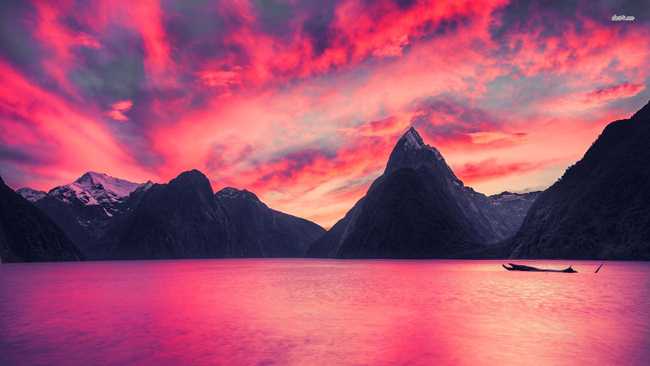
Lake Hillier is a unique lake which has pink color water, located on the edge of Middle Island in Western Australia. It is also called pink lake because of pink water. The reason of its unique color is still a topic that is not fully understood by scientists, although most suspect it has to do with the presence of the Dunaliella salina microalgae. The Dunaliella produces carotenoids, a pigment found in carrots as well. But the presence of halophilic bacteria in the salt crusts could be another explanation. A reaction between the salt and the sodium bicarbonate that is found in the water may cause it as well. The Lake Hillier Australia is surrounded by a rim of sand and dense woodland of paperbark and eucalyptus trees. A narrow strip of sand dunes covered by vegetation separates it from the blue Southern Ocean.


2. Mamanuca Islands, Fiji
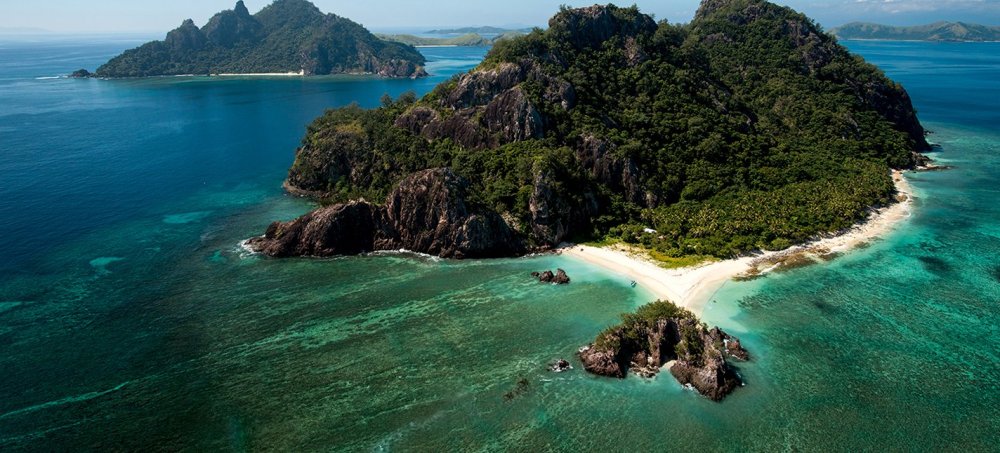
Myth says that Fiji’s story begins about 1500 BC with a voyage of giant war canoes from Taganika north of Egypt. Leading the armada on the giant double hull canoe “Kaunitoni” was warrior Chief Lutunasobasoba with a special cargo – a magical box called the Katonimana (the Box of Blessings). Around Matamanoa, Mana and Likuliku, they met bad weather and the “Box of Blessings” slipped into the water. Lutunasobasoba gave orders to let it go, believing it was the will of the gods. Lutunasobasoba then named the 3 Islands Mata-manoa (meaning “eye of the strong wind”), Mana (“Magic’) to mark the area where the Box of Blessings fell, and ‘Likuliku’ because it was here the armada experienced calm waters again. Lutunasobasoba gave specific instructions that no one was to ever try and retrieve the “Katonimana” and predicted that this group of islands would be a great source of prosperity for the Fijian people in the future. To this day, some believe that this box is still buried.


3. Palau
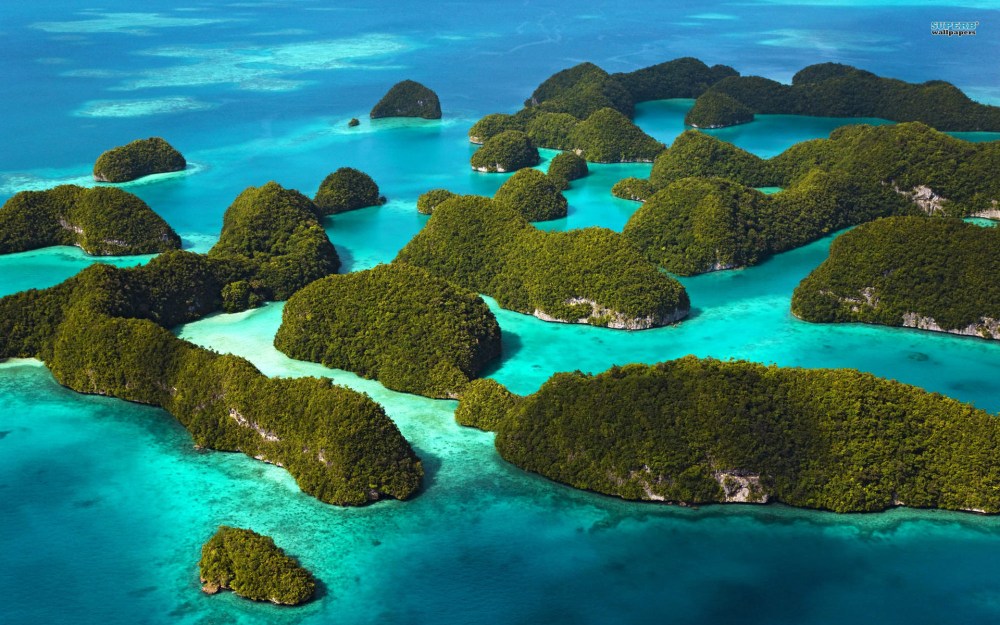
The Republic of Palau is scenically magical. For such a tiny area of land, it packs a big punch. It’s hard not to be overwhelmed by its extraordinary array of natural wonders: this is an archipelago of about 200 largely pristine limestone and volcanic islands, blanketed in emerald forest, surrounded by a shimmering turquoise lagoon. Unsurprisingly, diving is the number-one activity here, with truly world-class dive sites. Divers swear by Palau’s exciting seascape, fascinating wrecks and stunningly diverse marine life – it’s not dubbed ‘the underwater Serengeti’ for nothing.


4. Great Barrier Reef, Australia
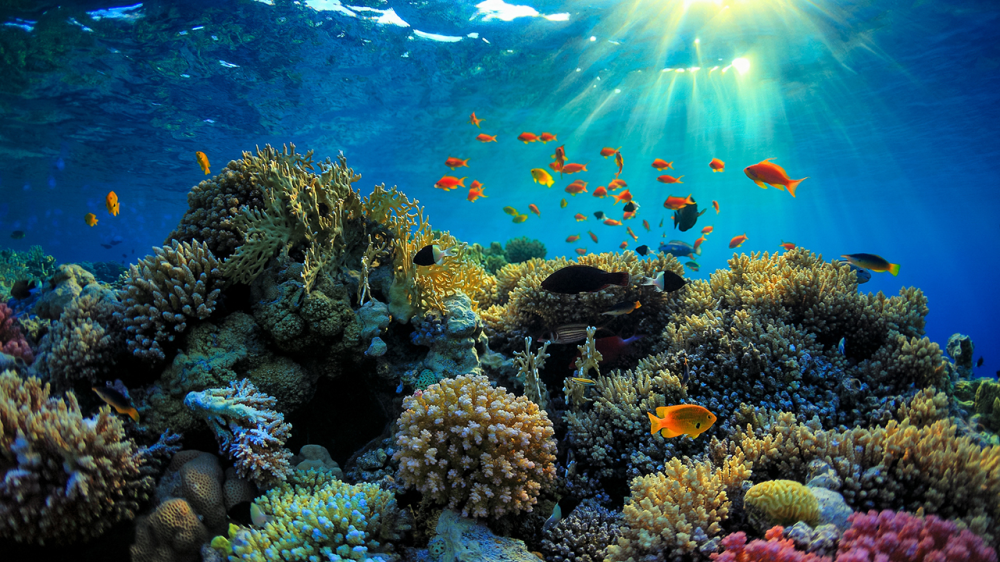
One of Australia’s most remarkable natural gifts, the Great Barrier Reef is blessed with the breathtaking beauty of the world’s largest coral reef. The reef contains an abundance of marine life and comprises of over 3000 individual reef systems and coral cays and literally hundreds of picturesque tropical islands with some of the worlds most beautiful sun-soaked, golden beaches.


Places In Antarctica
1.The Atlantic Road, Norway
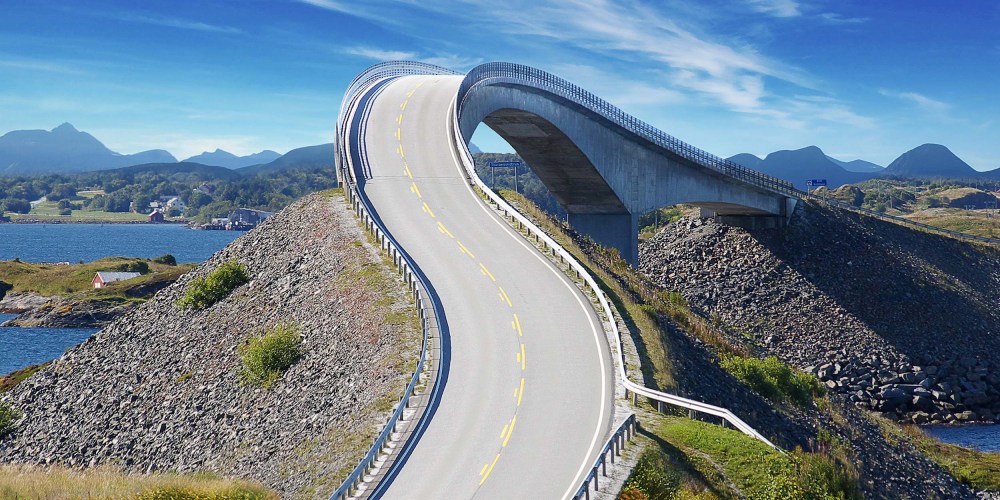
The Atlantic Road is part of Norwegian national road 64 (Rv 64). The road’s roller coaster-feel, curvy bridges and phenomenal views have made it a favorite of road trippers and motorcyclists. The construction of the road started on August 1983 and it took six years to be finished. Its 8 breath-taking (and sometimes terrifying) bridges has become one of the country’s most popular tourist attractions. The road is narrow with dips and twists throughout often taking drivers by surprise. The weather in the area is also unpredictable and harsh with visibility disappearing quickly, strong winds, and sudden temperature drops.


2. Cathedral Cove, New zealand
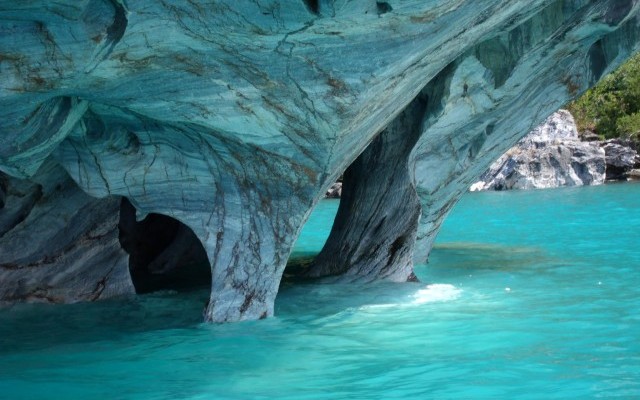
From beautiful Hahei Beach on The Coromandel you can walk to Cathedral Cove, where a naturally formed archway deserves photographic attention. From the north end of the beach, a one hour walking track leads along the cliff top and then descends to the Cove. Here a gigantic arched cavern passes through a white rock headland to join two secluded coves. The cathedral-like arch gives the whole area an air of grandeur. The beach is sandy with shady pohutukawa trees along the foreshore – a perfect place for a picnic and a swim.


3. Hobbiton, New Zealand
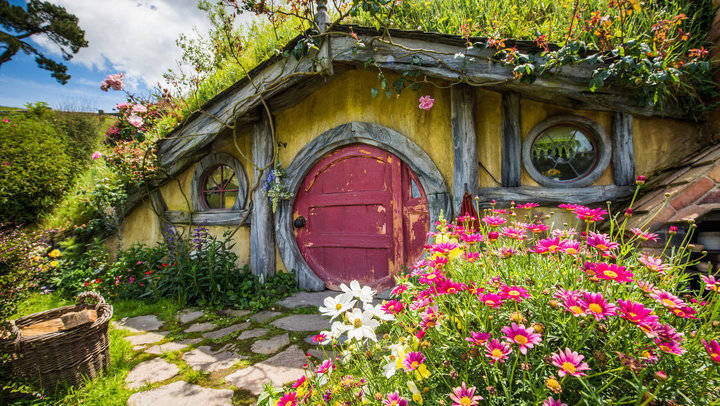
When Peter Jackson spotted the Alexander Farm during an aerial search of the North Island for the best possible locations to film The Lord of The Rings film trilogy, he immediately thought it was perfect for Hobbiton. Site construction started in March 1999 and filming commenced in December that year, continuing for three months. The set was rebuilt in 2011 for the feature films “The Hobbit: An Unexpected Journey”, “The Hobbit: The Desolation of Smaug”, and “The Hobbit: There and Back Again”.


4. Aurora borealis
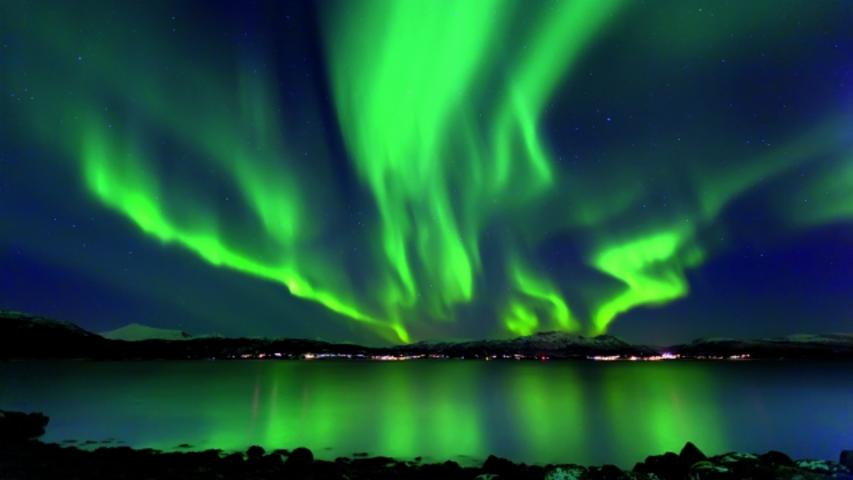
It is often said that the northern parts of Norway is the best places in the world to see the northern light. If we are to be honest, that is only partially true, as the lights can be just as visible from destinations outside of Norway. But few countries can rival the vast selection of activities, tours, cruises, restaurants and hotels which all play an important part in this arctic experience. On a very basic level the northern lights are quite simple to explain. The lights come at night when the sky is dark. It’s like a celestial ballet of light dancing across the night sky, with a colour palette (green, pink, violet) reminiscent of a really cool fashion show from the 1980s.


5.Châtenois, Alsace, France
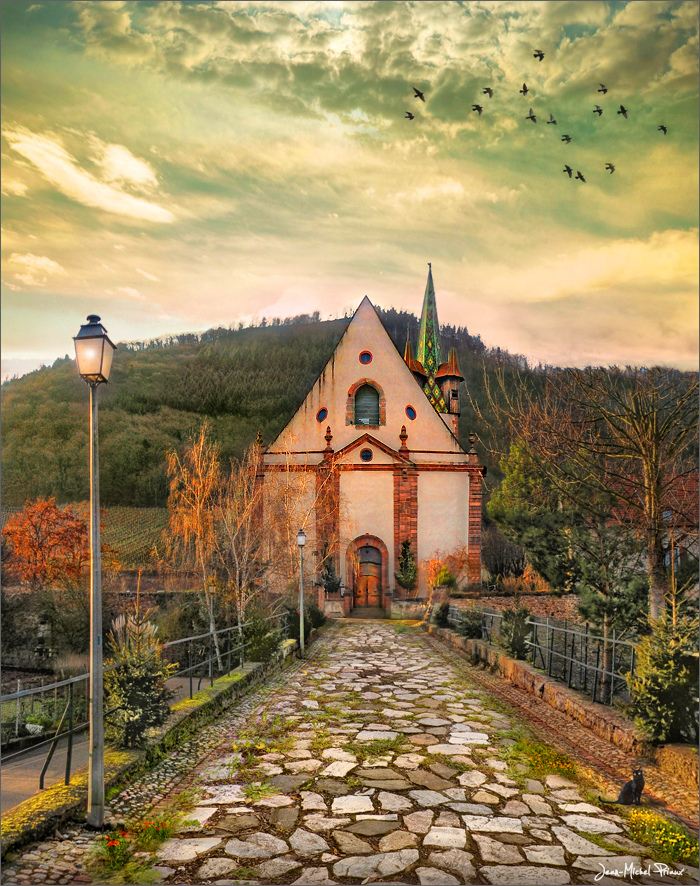
Châtenois (département of Bas-Rhin) is situated on the foothills of the Vosges and is surrounded by the vineyards of Alsace. The village is located 3 km from the town centre of Sélestat, on the route to Saint-Dié-des-Vosges and Nancy in Lorraine. Known in German as Kestenholz, the village boosts in some interesting monuments. It is one of the stages on the Alsace Wine Route.


 Important Places In The World