1. Ancient Region of Anatolia in Cappadocia, Turkey
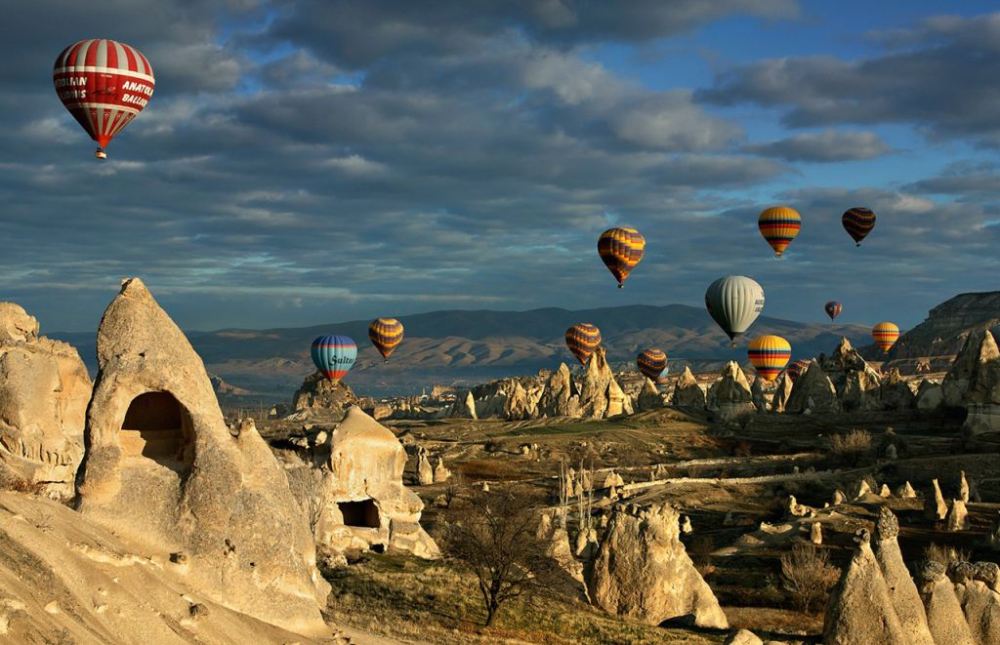
Cappadocia (Cappadocia) the wonderful city located in Turkey. The city was declared by UNESCO as a world heritage city on the year. 1985 is a special area caused by the eruption of the volcano yes yes. And the volcano Hasan, was 3 million years ago (current volcanoes both 2 out) make the lava that The ashes were spread throughout the deposition is a new land I. What a strange strange and amazing landscapes all shapes. This city has become a popular tourist area And it is a favorite spot for the balloon.


2. Duomo di Milano, Milan, Italy
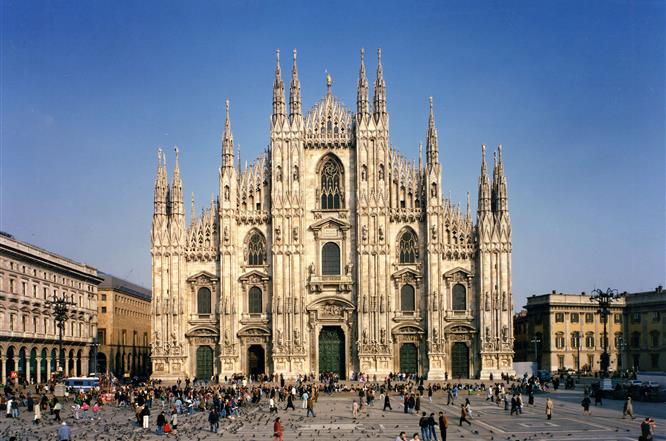
Duomo (Duomo Cathedral that is used in English) is located in the city-pair Europe as usual (urban planning 70 percent of countries, this is similar to the central town square, there is the Town Hall, churches, etc.). Honorably, don’t be surprised if you have the opportunity to travel to other cities and found that, as it has the same address for the Milan Duomo, this is a very special. Directly to the Cathedral is the second largest after the Basilica of St.Peter in Vatigan only.


3. Volcanoes of Kamchatka in Russia
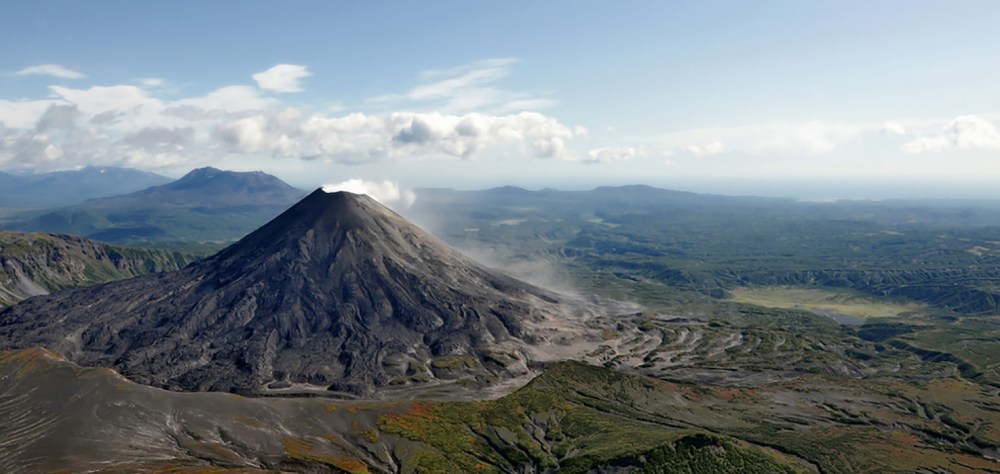
Volcano cam research this is the Osaka, staying mostly in the Netherlands Russia. The reaction of the energetic and glaciers make the area arising spectacular landscapes, and also includes a variety of animal species including many salmon species in the world. Otter, sea eagle, brown bear and sea collar a lot. Volcano Klyuchevskaya Sopka, the highest is almost 16,000 ft.


4. Cinque Terre, Rio Maggiore, Italy
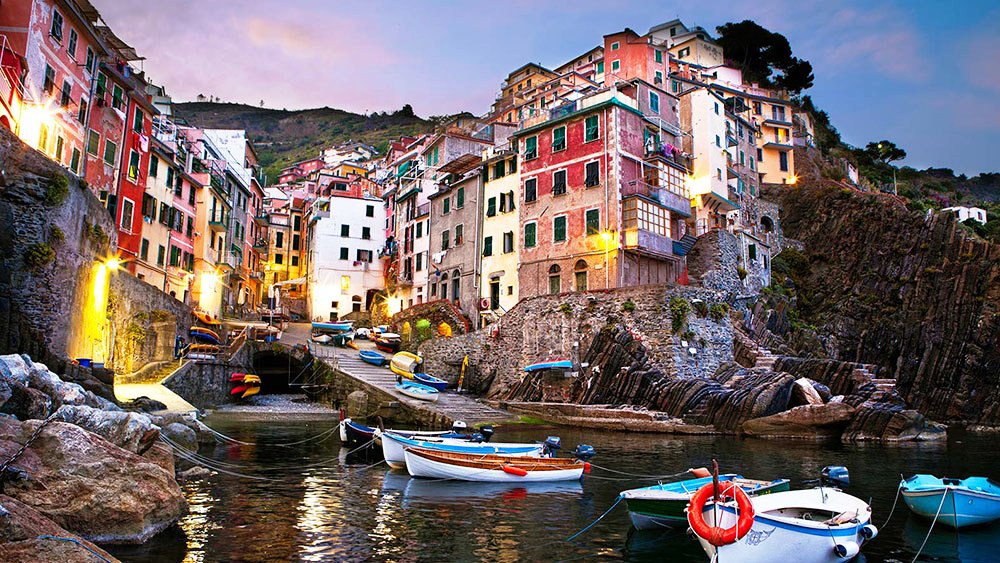
It is quite sure that the origins of Riomaggiore date back to the 8th Century, when the inhabitants of the Vara valley, searching a milder climate to raise grapevines and olive-trees without the fear of pirate raids, moved towards the coast. The town climbs up along the ridges overlooking the sea and it is characterized from the typical stone houses with coloured façades and slate-roofs.


5. Giant’s Causeway – Ireland
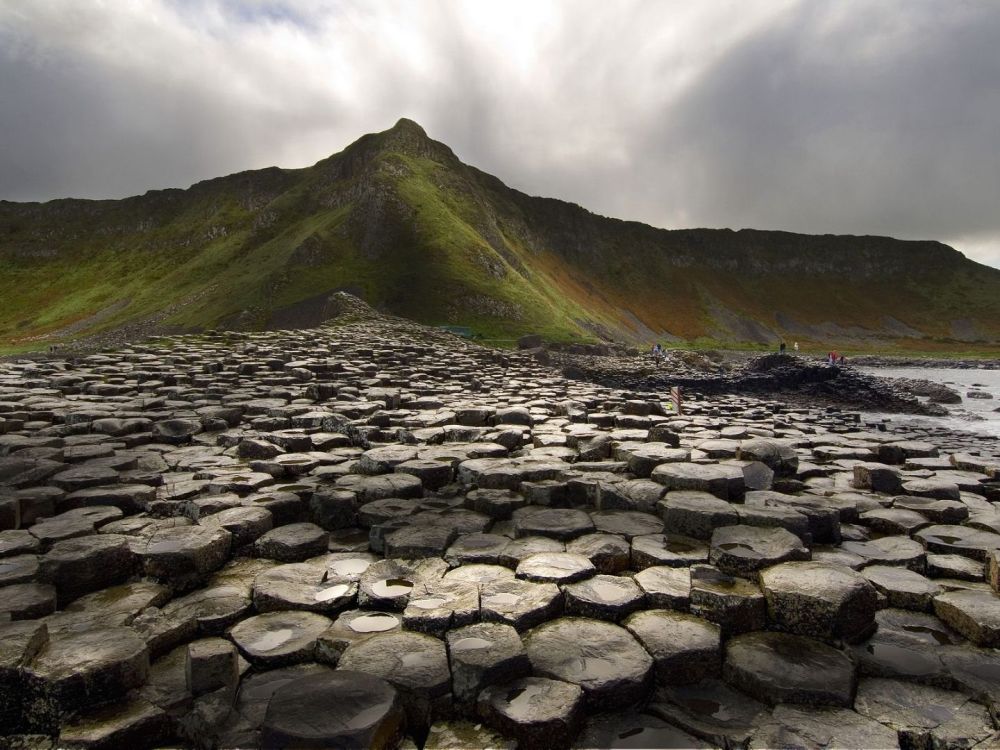
The Giant’s Causeway is an area of about 40,000 interlocking basalt columns, the result of an ancient volcanic eruption.It is also known as Clochán an Aifir or Clochán na bhFomhórach in Irish and tha Giant’s Causey in Ulster-Scots. It is located in County Antrim on the northeast coast of Northern Ireland, about three miles (4.8 km) northeast of the town of Bushmills. It was declared a World Heritage Site by UNESCO in 1986, and a national nature reserve in 1987 by the Department of the Environment for Northern Ireland. In a 2005 poll of Radio Times readers, the Giant’s Causeway was named as the fourth greatest natural wonder in the United Kingdom.The tops of the columns form stepping stones that lead from the cliff foot and disappear under the sea. Most of the columns are hexagonal, although there are also some with four, five, seven or eight sides. The tallest are about 12 metres high, and the solidified lava in the cliffs is 28 metres thick in places.


6. Santorini – Greece
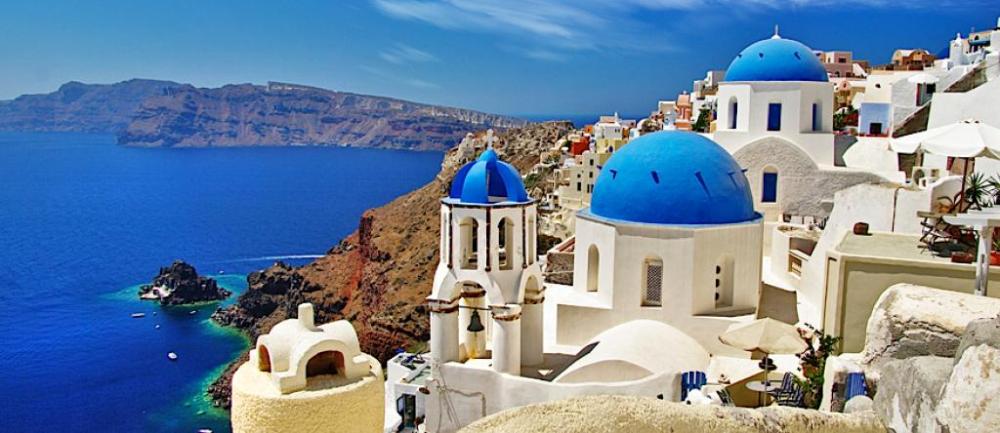
Santorini classically Thera and officially Thira is an island in the southern Aegean Sea, about 200 km southeast of Greece’s mainland. It is the largest island of a small, circular archipelago which bears the same name and is the remnant of a volcanic caldera. It forms the southernmost member of the Cyclades group of islands, with an area of approximately 73 km2 and a 2011 census population of 15,550. The municipality of Santorini includes the inhabited islands of Santorini and Therasia and the uninhabited islands of Nea Kameni, Palaia Kameni, Aspronisi, and Christiana. The total land area is 90.623 km2 .Santorini is part of the Thira regional unit.


7. Neuschwanstein Castle – Germany
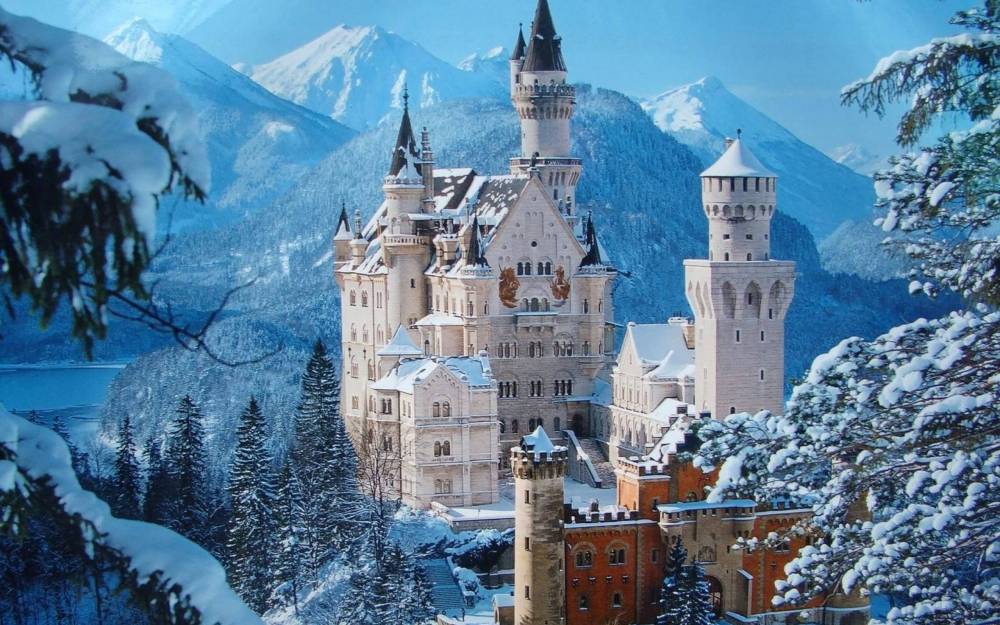
Neuschwanstein Castle (German: Schloss Neuschwanstein, English: “New Swanstone Castle”) is a nineteenth-century Romanesque Revival palace on a rugged hill above the village of Hohenschwangau near Füssen in southwest Bavaria, Germany. The palace was commissioned by Ludwig II of Bavaria as a retreat and as a homage to Richard Wagner. Ludwig paid for the palace out of his personal fortune and by means of extensive borrowing, rather than Bavarian public funds.


8. Venice – Italy
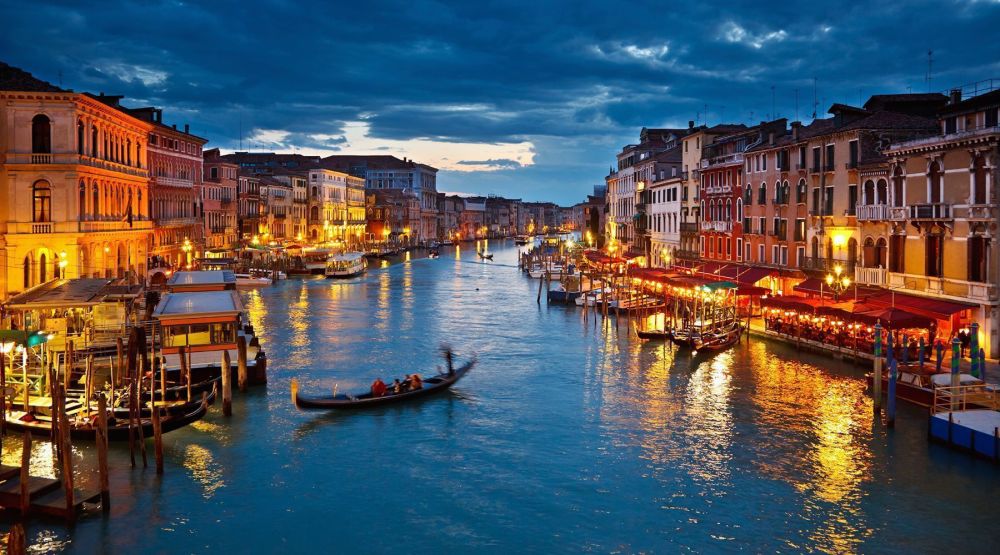
Venice is a city in northeastern Italy and the capital of the Veneto region. It is situated across a group of 117 small islands that are separated by canals and linked by bridges. These are located in the shallow Venetian Lagoon, an enclosed bay that lies between the mouths of the Po and the Piave Rivers. Parts of Venice are renowned for the beauty of their settings, their architecture, and artwork. The lagoon and a part of the city are listed as a World Heritage Site. In 2014, 264,579 people resided in Comune di Venezia, of whom around 55,000 live in the historic city of Venice (Centro storico). Together with Padua and Treviso, the city is included in the Padua-Treviso-Venice Metropolitan Area (PATREVE), with a total population of 2.6 million. PATREVE is only a statistical metropolitan area without any degree of autonomy.


9. Hvitserkur – Iceland
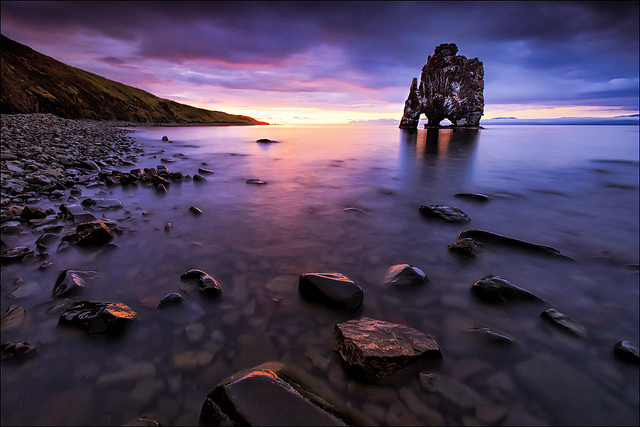
Hvítserkur is a 15 m high basalt stack along the eastern shore of the Vatnsnes peninsula, in northwest Iceland. The rock has two holes at the base, which give it the appearance of a dragon who is drinking. The base of the stack has been reinforced with concrete to protect its foundations from the sea. Several species of birds, such as gulls and fulmars, live on at Hvítserkur and its name (“white shirt” in Icelandic) comes from the color of the guano deposited on its rocks.


10. The Alhambra – Spain
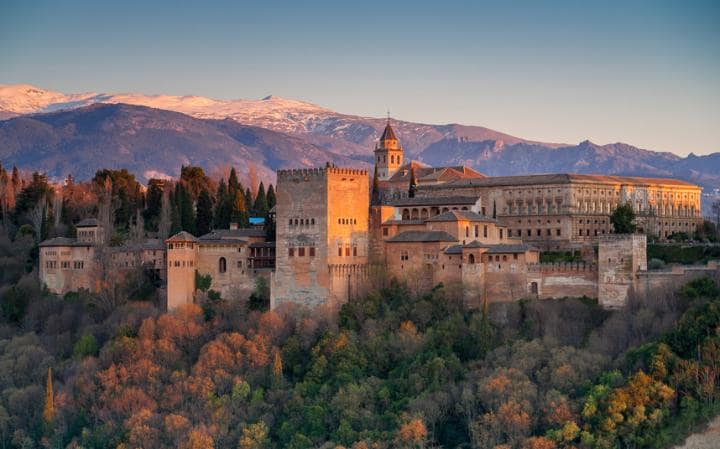
The Alhambra the complete Arabic form of which was Qalat Al-Hamra, is a palace and fortress complex located in Granada, Andalusia, Spain. It was originally constructed as a small fortress in AD 889 on the remains of Roman fortifications, and then largely ignored until its ruins were renovated and rebuilt in the mid-13th century by the Moorish emir Mohammed ben Al-Ahmar of the Emirate of Granada, who built its current palace and walls. It was converted into a royal palace in 1333 by Yusuf I, Sultan of Granada. After the conclusion of the Christian Reconquista in 1492, the site became the Royal Court of Ferdinand and Isabella (where Christopher Columbus received royal endorsement for his expedition), and the palaces were partially altered to Renaissance tastes. In 1526 Charles I & V commissioned a new Renaissance palace better befitting the Holy Roman Emperor in the revolutionary Mannerist style influenced by Humanist philosophy in direct juxtaposition with the NasridAndalusian architecture, but which was ultimately never completed due to Morisco rebellions in Granada.


 Important Places In The World